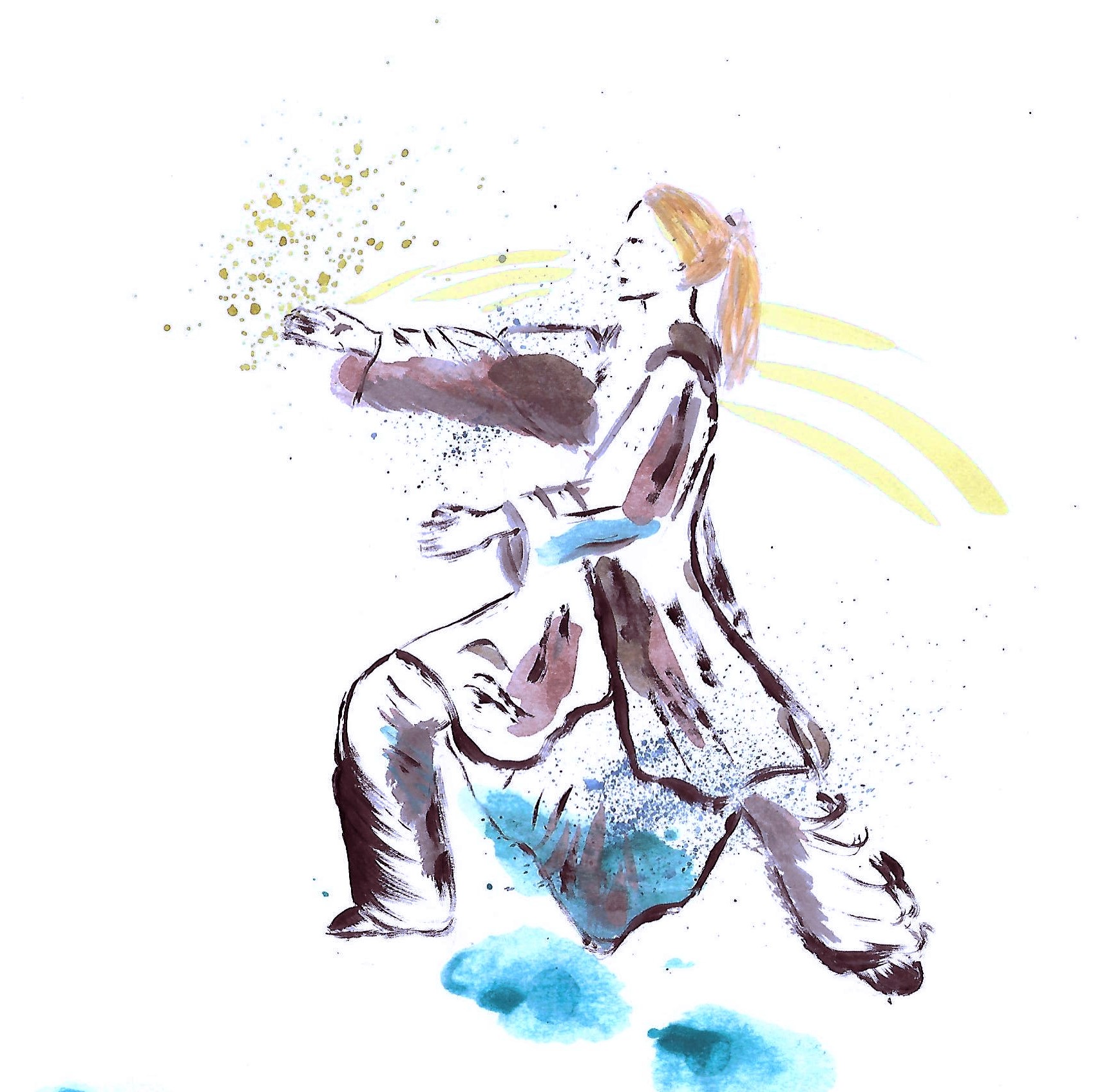
The V2 zone is often referred to as a “secret” or “hidden knowledge” that governs the rules our mind creates. This zone involves the comprehension of the dual nature of life—the balance between opposites—and the internal rules we establish to navigate the world around us.
Anatomical Representation:
The V2 zone is structurally represented by the following parts of the body:
- Upper mediastinum
- Aortic arch
- Large brachiocephalic vessels
- Descending aorta
- 5th thoracic vertebra
- Sternum
- Trachea
- Neck
- Lower jaw
Functionality of the V2 Zone:
This zone plays a crucial role in creating points of support and establishing rules and routines, both internally and in relation to the outside world. It is often characterized by the belief that “my rules are the most correct.” However, these rules are often artificial, influenced by external forces like societal expectations or behavioral patterns (referred to as “pendulums”).
The V2 zone can lead to the creation of internal lies—false beliefs that we try to convince ourselves and others of. When we struggle to follow these self-imposed rules, it can lead to various emotional and physical challenges, such as:
- Shame (D2 bottom zone)
- Guilt (S2 bottom zone)
- Despondency and self-destruction (V3-V4 zones)
- Anger and irritation (V4 zone)
- Excessive self-control (D4 zone), which can lead to pathological actions, karmic buildup
- Inability to change habits, lifestyle, or adapt to new rules (S4 zone), often manifesting in psychosomatic symptoms like tachycardia, heartburn, and issues related to the heart and blood vessels, especially in the brain
Healing the V2 Zone:
In osteopathy we work with this zone in Biological Centering and Cranio-Sacral Therapy. Correcting dysfunction in this area may take longer than in other zones, but the benefits are profound. Once the blockages in the V2 zone are addressed, you will likely experience:
- A sense of lightness and reduced tension, particularly in your blood vessels
- Increased flexibility in ligaments and joints
- Sharper, more open-minded thinking
- Greater adaptability to changes in your environment
- A deeper sense of joy and well-being